
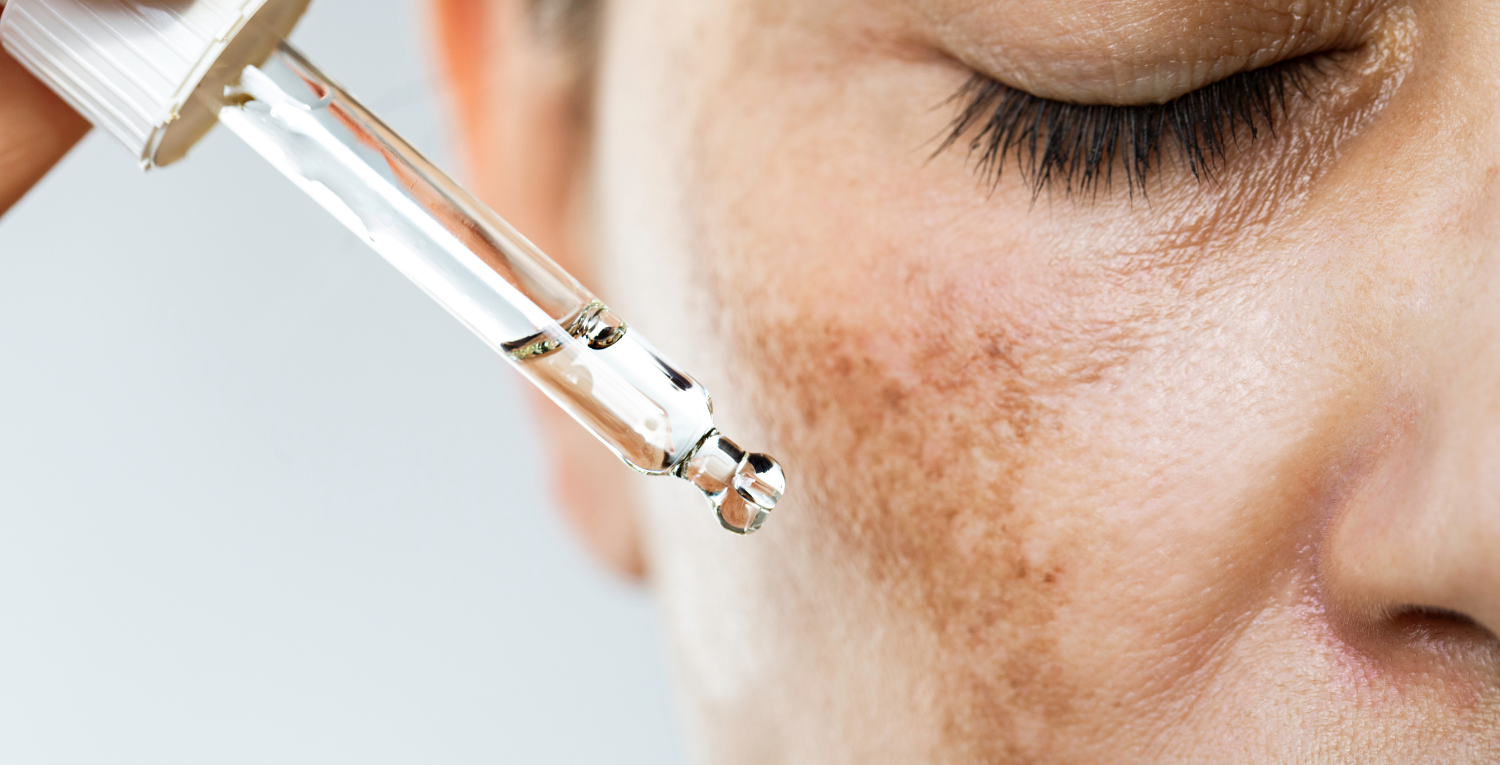
If you have spent any time researching hyperpigmentation treatments, you have probably come across the same two ingredients sitting at the top of every list: vitamin C and glutathione. Both are antioxidants. Both target dark spots. Both appear in serums, creams, and supplements at every price point. But they do not work in the same way, they do not deliver the same results, and for people dealing with stubborn pigmentation, that difference matters.
This is not a takedown of vitamin C. It is a genuinely excellent skincare ingredient with strong research behind it. But when the goal is specifically to treat hyperpigmentation, melasma, or post-inflammatory dark spots, glutathione works at a more fundamental level. It targets the root cause of excess pigment rather than managing the symptoms at the surface.
At Prfkt®, glutathione sits at the heart of every Glutaceuticals formula. Not as a marketing buzzword, but as the active ingredient our formulations are built around. Here is exactly why.
Quick Summary |
|
✅ Hyperpigmentation happens when your skin produces too much melanin, triggered by UV damage, hormones, inflammation, or skin trauma. |
|
✅ Glutathione targets melanin production directly, blocking the enzyme that creates it and shifting darker pigment to a lighter form. |
|
✅ Vitamin C is a strong antioxidant and brightener, but it works one step removed from the pigment process. |
|
✅ Used together, they are more effective than either ingredient alone. Vitamin C actually helps maintain and recycle glutathione in the skin. |
|
✅ Clinical research supports topical and oral glutathione for reducing hyperpigmentation across all skin tones, including Fitzpatrick types IV to VI. |
|
✅ Prfkt®'s Glutaceuticals® range combines glutathione with Ethyl Ascorbic Acid (a stable form of vitamin C) in every formula. |
What Is Hyperpigmentation and Why Is It So Hard to Treat?
Hyperpigmentation is a broad term for any area of skin that looks darker than the surrounding skin. It covers a wide range of concerns: sun spots, melasma, post-inflammatory hyperpigmentation (PIH) from acne or eczema, and general uneven skin tone. What all of these have in common is excess melanin, the pigment your skin produces in response to various triggers.
Your skin contains cells called melanocytes. When they sense a threat, whether that is UV rays, hormonal fluctuation or skin injury, they produce more melanin. In most cases this is a protective response. The problem is that melanin does not always distribute evenly. It clumps. It lingers. And in darker skin tones, post-inflammatory hyperpigmentation in particular can be significantly more pronounced and slower to fade than in lighter skin.
Most dark spot correctors work by reducing melanin that has already formed, brightening the surface so dark patches look less obvious. Glutathione goes a step further: it intervenes earlier in the process, before the melanin forms in the first place.
How Glutathione Treats Hyperpigmentation
Glutathione is a naturally occurring molecule your body already produces. It is your most abundant internal antioxidant and it plays a central role in cellular health. In the context of pigmentation, it works through two mechanisms that make it particularly effective as a hyperpigmentation treatment.
It blocks the enzyme that makes melanin
Melanin production depends on an enzyme called tyrosinase. Think of tyrosinase as the switch your skin flips when it decides to produce more pigment. Glutathione binds to tyrosinase, blocking it from working properly. Less tyrosinase activity means less melanin produced, which means fewer and lighter dark spots over time. This is not a surface-level fix. It addresses the mechanism that creates the problem.
It changes the type of melanin your skin makes
Your skin produces two types of melanin: eumelanin, which is darker, and pheomelanin, which is lighter and more yellow-red in tone. Glutathione shifts your skin's melanin production away from the darker type towards the lighter type. For people with hyperpigmentation, this shift produces a visible improvement in overall tone and reduces the contrast between affected and unaffected areas.
A 2025 systematic review published in the International Journal of Dermatology reviewed the clinical evidence for glutathione as a skin-lightening agent. Among studies on topical glutathione, a 0.5% concentration showed significantly greater reduction in pigmentation than both 0.1% and placebo. Multiple randomised controlled trials on oral glutathione also showed significant reductions in melanin levels. The review concluded that glutathione carries anti-melanogenic and antioxidant properties that support its use in treating hyperpigmentation and melasma.
A separate 2024 prospective study compared topical 2% glutathione directly against topical 3% tranexamic acid in adult melasma patients. Glutathione performed comparably on pigmentation reduction while also improving skin quality markers.
How Vitamin C Treats Hyperpigmentation
Vitamin C, specifically in its stable form Ethyl Ascorbic Acid, is one of the most well-researched brightening ingredients in skincare. It works primarily as an antioxidant, neutralising the free radicals generated by UV exposure and pollution that can trigger excess melanin production. In doing so, it reduces one of the key upstream signals that tells your skin to produce more pigment.
Vitamin C also has some direct tyrosinase-inhibiting properties, though these are less pronounced than glutathione's. Where vitamin C really excels is in collagen stimulation, surface brightness, and protection against further UV-triggered pigmentation. It fades existing dullness and improves overall radiance, which is why it has earned its place in virtually every dermatologist-approved brightening routine.
The limitation is stability. Vitamin C in its pure ascorbic acid form degrades quickly when exposed to air, light, and heat. A poorly formulated or incorrectly stored vitamin C product loses efficacy fast. Ethyl Ascorbic Acid, the form used across Prfkt®'s Glutaceuticals® range, is significantly more stable and bioavailable.
Glutathione vs Vitamin C: An Honest Comparison
Glutathione and vitamin C work through different mechanisms and complement each other well. But if you are choosing where to invest in a hyperpigmentation treatment, knowing how they differ helps you prioritise.
|
Feature |
Glutathione |
Vitamin C |
|
Primary job |
Blocks melanin production at the source |
Neutralises free radicals; brightens surface tone |
|
Pigmentation targeting |
Direct: inhibits tyrosinase, shifts melanin type |
Indirect: reduces oxidative triggers of pigmentation |
|
Melasma |
Strong clinical evidence for reduction |
Supportive; more effective when paired with glutathione |
|
Post-inflammatory dark spots |
Very effective: works at pigment production level |
Effective on surface; slower on deeper spots |
|
Antioxidant role |
Neutralises free radicals AND recycles other antioxidants |
Strong free radical fighter; degrades in UV light |
|
Collagen support |
Supports environment for collagen synthesis |
Direct collagen production stimulator |
|
Skin tone improvement |
Shifts darker eumelanin to lighter pheomelanin |
Brightens existing tone; reduces dullness |
|
Irritation risk |
Very low: suitable for all skin types |
Low to moderate depending on concentration and pH |
|
Works on darker skin tones |
Yes: safe and clinically studied in Fitzpatrick IV-VI |
Yes: some forms can cause irritation at high concentrations |
|
Stability in formula |
Stable when well formulated |
Degrades with air and light exposure; needs correct packaging |
|
Together or separate? |
Better together: Vitamin C actively recycles glutathione |
Better together: boosts glutathione effectiveness |
|
Product |
Full Glutaceuticals® range: all formulas contain glutathione |
Hit Reset, Night Shift, Pep Talk (Ethyl Ascorbic Acid) |
The synergy case: why the best formulas contain both
Research published in the Journal of Clinical and Aesthetic Dermatology found that vitamin C helps convert oxidised glutathione back to its active form. In other words, vitamin C extends the working life of glutathione in the skin. A study showed that 500mg/day of vitamin C supplementation raised red blood cell glutathione levels by 47% in healthy adults. The two ingredients are not rivals. They are better understood as a system.
This is why every product in Prfkt®'s Glutaceuticals® range combines master antioxidant glutathione with Ethyl Ascorbic Acid. Glutathione does the targeted pigment correction. Vitamin C keeps glutathione active and adds its own brightening contribution. Together, they cover more ground than either ingredient alone.
Which Type of Hyperpigmentation Responds Best to Glutathione?
Melasma
Melasma is one of the most difficult forms of hyperpigmentation to treat. It appears as larger patches of discoloration, typically on the cheeks, forehead, and upper lip, and is strongly linked to hormonal changes and UV exposure. Standard treatments like hydroquinone can cause irritation, and results are often temporary if sun exposure continues. Glutathione offers an alternative. Multiple randomised controlled trials show meaningful reductions in melasma severity with consistent glutathione use, and its safety profile makes it suitable for longer-term treatment without the risks associated with stronger bleaching agents.
Post-inflammatory hyperpigmentation
PIH is the dark mark that lingers after a spot, injury, or inflammatory skin condition like eczema. In darker skin tones (Fitzpatrick types IV to VI), PIH can be significantly more pronounced and take considerably longer to fade. Glutathione's tyrosinase-blocking mechanism targets pigment production directly, making it particularly relevant for PIH that standard brighteners struggle to shift.
Prfkt®'s Hit Reset Skin Balance and Regenerating Cream is formulated specifically with this concern in mind. It combines glutathione with Tranexamic Acid, Arbutin, Niacinamide, Kojic Acid, Azelaic Acid, Ferulic Acid, and Encapsulated Retinol. Multiple pigment-correction mechanisms. One product.
Sun spots and general uneven tone
For surface-level sun damage and general uneven tone, the combination of glutathione and vitamin C tends to produce the fastest visible improvement. Glutathione addresses new melanin production, vitamin C fades existing dullness, and together they deliver the kind of results that keep patients coming back to the same routine.
Glutathione for All Skin Tones: Why This Matters
Many of the most aggressive hyperpigmentation treatments, including certain chemical peels, laser resurfacing, and high-strength hydroquinone, carry real risks for darker skin tones. They can trigger post-inflammatory hyperpigmentation, making the problem worse. This is a recognised gap in skincare. Most products are developed and tested primarily on lighter skin types.
Prfkt® formulates for all skin tones and types as a core commitment, not a footnote. Glutathione is safe and effective across the full Fitzpatrick spectrum. Clinical trials on glutathione for skin lightening have included participants with Fitzpatrick types IV and V specifically, showing good results and no adverse effects at topical and oral concentrations. When combined with the barrier-supporting and anti-inflammatory ingredients across the Glutaceuticals® range, it provides a pigmentation correction approach that works without putting darker skin at additional risk.
The Best Prfkt® Products for Hyperpigmentation
Hit Reset Skin Balance and Regenerating Cream
The dedicated dark spot corrector in the range. Glutathione combines with Tranexamic Acid, Arbutin, Niacinamide, Kojic Acid, Azelaic Acid, Ferulic Acid, Squalane, and Encapsulated Retinol Complex. Addresses both active pigmentation and ongoing oxidative damage. Start with three applications per week and build up as tolerated. Follow with 5-a-Day to support the skin barrier. MIA Awards shortlisted. As seen in Vogue.
Night Shift Overnight Gradual Peel Cream
A 28-day skin rejuvenation treatment that combines glutathione with a full acid blend including Tranexamic, Kojic, Glycolic, Lactic, Azelaic, and Ethyl Ascorbic Acids. Works with the skin's natural cell turnover cycle overnight. Particularly effective for uneven tone and post-inflammatory pigmentation. Use nightly until the product is finished. Always follow with SPF daily. As seen in Black Beauty.
A three-times-weekly mask peel that delivers glutathione alongside a multi-acid blend and peptides for an immediate brightening hit. Good for maintaining results between more intensive treatments and for keeping tone even as a preventative measure. As seen in Professional Beauty and Beauty News Daily.
Front Cover Weightless Glutathione SPF 50
UV exposure is the primary driver of most hyperpigmentation. Without daily SPF, any pigmentation treatment works against itself. Front Cover is a non-greasy, glutathione-enriched SPF 50 that provides broad-spectrum protection while also fighting the free radical damage that triggers melanin overproduction. It belongs in every hyperpigmentation routine, every morning, regardless of what else you are using.
As a Lake Anti-Inflammatory Cream
For hyperpigmentation that links to redness and inflammation, including rosacea-related pigmentation and PIH from acne, As a Lake combines glutathione with 15% Azelaic Acid, Salicylic Acid, Centella Asiatica, Niacinamide, and peptides. It calms inflammation while addressing the pigmentation that follows it. Marie Claire Best Product for Rosacea 2025.
Frequently Asked Questions
Is glutathione safe as a hyperpigmentation treatment?
Topical and oral glutathione both carry good safety profiles according to current clinical evidence. Topical glutathione is widely considered safe for all skin types and tones. Intravenous glutathione is a different matter with different risk considerations. Prfkt products use topical glutathione, formulated at concentrations supported by research.
How long does it take to see results from glutathione for dark spots?
Most people see early improvements in skin brightness within four to eight weeks of consistent use. More significant changes to established dark spots or melasma typically take eight to twelve weeks. Pigmentation takes time to form and time to fade. Consistency and daily SPF use both significantly affect the speed of results.
Can I use glutathione and vitamin C together?
Yes, and you should. Vitamin C helps maintain glutathione in its active form, so using both together makes each ingredient work better. Prfkt®'s Glutaceuticals® range formulates both together in every product for exactly this reason.
What is the best hyperpigmentation treatment for darker skin tones?
Ingredients with strong evidence and low irritation risk are the best starting point: glutathione, tranexamic acid, azelaic acid, niacinamide, and kojic acid. Avoid high-concentration hydroquinone, aggressive lasers, or strong chemical peels without professional oversight, as these carry risk of worsening pigmentation in darker skin. Prfkt®'s Hit Reset and Night Shift both combine multiple safe pigmentation-correction actives in one formula.
Does vitamin C or glutathione work faster on dark spots?
Vitamin C tends to deliver faster surface brightness because it works on dullness and existing free radical damage quickly. Glutathione takes longer but addresses the source of the problem more directly. For best results, use both together and build your routine around daily SPF to prevent new spots forming.
What is the difference between glutathione and hydroquinone for melasma?
Hydroquinone is a prescription-strength bleaching agent that inhibits melanin production but carries risks including skin irritation, paradoxical darkening with prolonged use, and ochronosis with very long-term use. Glutathione works through a gentler mechanism, is suitable for longer-term use, and carries a significantly lower risk profile. For many people with melasma, glutathione combined with tranexamic acid and azelaic acid provides a safer and more sustainable treatment approach.
The Bottom Line
Vitamin C is a good brightening ingredient. Glutathione is a better hyperpigmentation treatment. The distinction matters if you are dealing with melasma, stubborn post-inflammatory dark spots, or uneven pigmentation across your face or body.
Glutathione targets melanin production at source. It blocks the enzyme that makes pigment, shifts your skin toward producing less of the darker pigment type, and does this safely across all skin tones without the irritation risks that come with more aggressive depigmenting agents. The clinical evidence supports it. The safety record supports it.
Vitamin C belongs in the same routine. It protects against the UV and free radical triggers that cause new pigmentation, it supports glutathione directly by recycling it back to its active form, and it delivers the kind of immediate surface brightness that makes your skin look better while the deeper correction takes effect.
Use both. Protect with SPF daily. Be consistent. That is the routine that produces lasting change.
Prfkt® builds that combination into every Glutaceuticals® product. Formulated for all skin tones and types.
|
Ready to Treat Hyperpigmentation Properly? Every Prfkt Glutaceuticals product is powered by glutathione and formulated for all skin tones and types. Shop the full range and find the right dark spot corrector for your skin. Shop at prfkt.com | Professionals: prfktpro.com |
Sources and Further Reading
Sarkar R. et al. Glutathione as a skin-lightening agent and in melasma: a systematic review. International Journal of Dermatology. 2025;64(6):992-1004.
Bijalwan S. et al. Topical glutathione (2%) vs topical tranexamic acid (3%) in adult melasma patients. JK Science. 2024;26:149-54.
Watanabe F. et al. Skin-whitening and skin-condition-improving effects of topical oxidized glutathione: a double-blind and placebo-controlled clinical trial. Clin Cosmet Investig Dermatol. 2014;7:267-274.
Sitohang I.B. et al. Evaluating oral glutathione plus ascorbic acid, alpha-lipoic acid, and zinc aspartate as a skin-lightening agent. J Clin Aesthet Dermatol. 2021;14:E53-58.
Dilokthornsakul W. et al. The clinical effect of glutathione on skin color and other related skin conditions: a systematic review. J Cosmet Dermatol. 2019;18:728-37.
Sonthalia S. et al. Glutathione as a skin whitening agent: facts, myths, evidence and controversies. Indian J Dermatol Venereol Leprol. 2016;82(3):262-272.
Gupta S. Glutathione in dermatology: a bright future or fading hype? CosmoDerma. 2025;5:51.
0 comments