
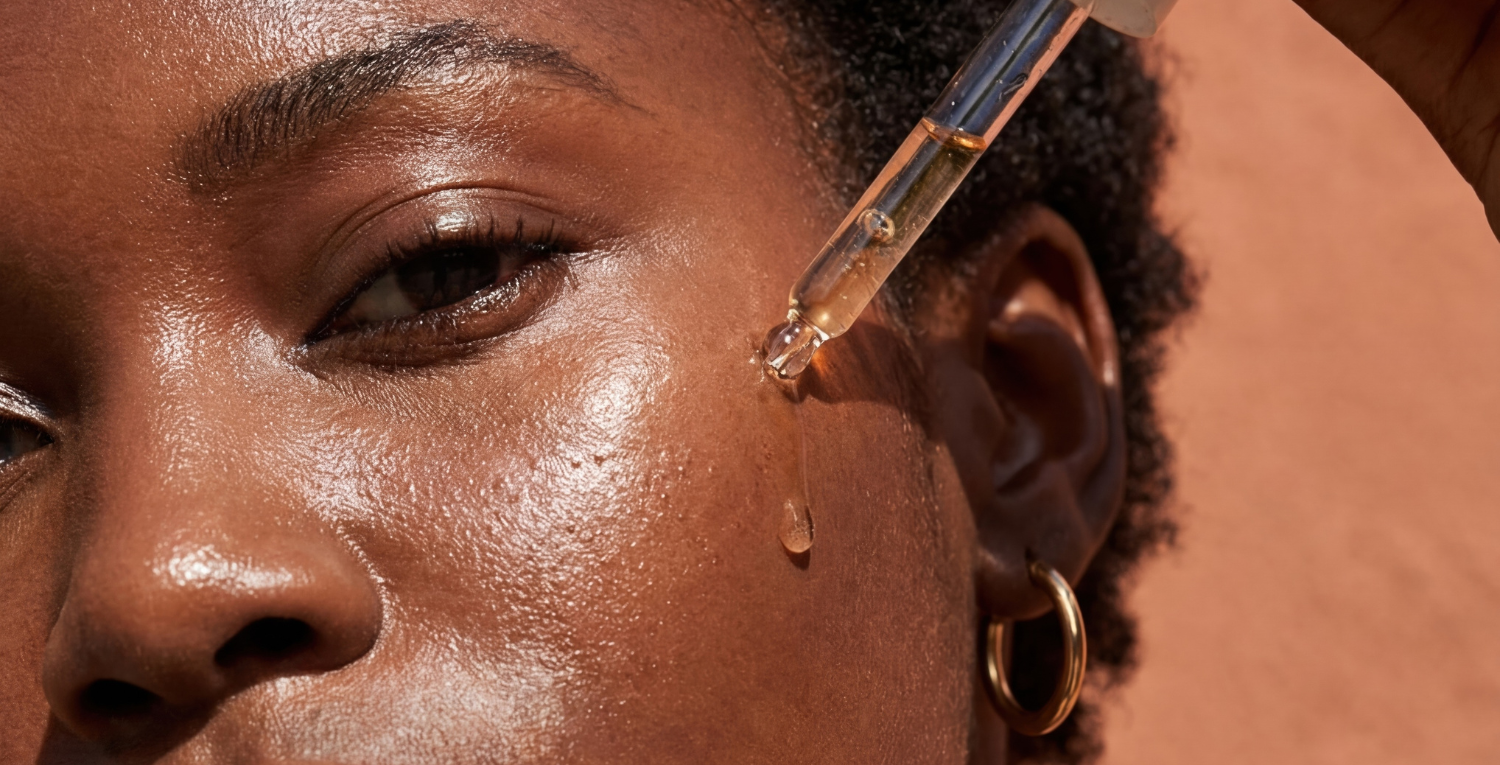
April arrives and your skin has quietly taken a beating. Three months of indoor heating, cold winds, reduced humidity, and a routine you probably stopped questioning around November has left your barrier in worse shape than your bank account after Christmas. The dullness, the tightness, the products that suddenly sting a little more than they used to. That is not your imagination. That is a compromised skin barrier telling you something needs to change.
Spring is the natural reset point. The season brings rising humidity, warmer temperatures, and longer days. Your skin is ready to respond. But getting the most from that shift means understanding what actually happened to your barrier over winter, knowing the signs of a damaged barrier before they get worse, and building a spring skincare routine that repairs first and treats second.
Quick Summary |
|
✅ Your skin barrier is the outermost layer of skin that controls moisture and keeps irritants out. Winter consistently compromises it. |
|
✅ Signs of a damaged skin barrier include tightness after cleansing, stinging from products, redness, flakiness, and dehydration despite moisturising. |
|
✅ Spring is the ideal time to repair because rising humidity and milder temperatures give your skin the conditions it needs to recover. |
|
✅ Barrier repair requires three things: reducing inflammation, replenishing moisture, and rebuilding with the right actives (peptides, glutathione, squalane, niacinamide). |
|
✅ Over-exfoliating is the number one mistake people make when transitioning into spring. Repair comes before renewal. |
|
✅ Prfkt®'s Glutaceuticals® range addresses barrier repair at every step, from cleansing to SPF protection. |
What Is Your Skin Barrier and Why Does Winter Damage It?
Your skin barrier is the outermost layer of your skin. Its job is to keep moisture locked in and everything harmful locked out: pollution, bacteria, allergens, and UV damage. When it works well, skin feels comfortable, looks calm, and holds moisture effectively. When it breaks down, everything changes. Moisture escapes faster, irritants get in more easily, and your skin starts to react to things it normally handles without issue.
Winter does specific damage in two ways. First, cold air outside holds very little moisture. Second, central heating indoors strips what moisture remains. The result is skin that has been losing water for months and working harder than usual to compensate. Layer on top of that any winter routine that leaned heavy on rich creams and skipped exfoliation, and you arrive in spring with a barrier that is dehydrated, sluggish, and primed to overreact.
The seasonal shift to spring adds its own complications. Humidity rises, UV exposure increases, and pollen enters the picture. Skin that is already reactive from winter stress handles these changes less well than healthy skin would. This is why March and April see a spike in sensitivity, breakouts in people who are not usually breakout-prone, and that general feeling that your skin has stopped doing what it used to do.
Signs of a Damaged Skin Barrier: Your Checklist
Before you can repair your barrier, you need to know whether it is actually compromised. Some symptoms are obvious. Others are easy to misread. Use this checklist to diagnose your barrier health going into spring.
|
Symptom |
Barrier issue? |
Severity |
|
Skin feels tight after cleansing |
Yes |
High |
|
Redness or blotchiness that wasn't there in summer |
Yes |
High |
|
Products sting or burn that didn't before |
Yes |
High |
|
Flakiness or dry patches that feel rough to touch |
Likely |
Moderate |
|
Skin looks dull and feels dehydrated despite moisturising |
Likely |
Moderate |
|
Spots appearing in areas not usually prone to breakouts |
Possibly |
Moderate |
|
Skin feels oilier than usual despite feeling dehydrated |
Possibly |
Moderate |
|
Slight sensitivity but skin looks generally calm |
Minor disruption |
Low |
|
Routine feels less effective than it did three months ago |
Possible seasonal mismatch |
Low |
Three or more symptoms in the high category means your barrier needs focused repair before you introduce any new actives or attempt any resurfacing treatment. Start with barrier-feeding ingredients only: squalane, peptides, niacinamide, glutathione, and calming botanicals. Hold off on acids and retinol until skin settles.
If your symptoms are mostly in the moderate zone, a gentle reset is what you need. Lighten your routine, add a barrier-supporting moisturiser, and reintroduce actives slowly over two to three weeks.
Low zone symptoms suggest your barrier is largely intact but your routine needs a seasonal update to stay ahead of the transition.
Why Spring Is the Best Time to Repair Your Skin Barrier
Skin barrier repair is not just about applying the right products. The environment your skin lives in matters too. Spring provides conditions that make repair genuinely easier.
Rising humidity means your skin has more moisture available in the air around it. When barrier function is compromised, the skin loses water faster than it should. Higher ambient humidity slows that loss, giving barrier repair ingredients a better environment to do their job.
Milder temperatures mean your skin is no longer using resources to cope with temperature extremes. Blood flow to the skin normalises, cell turnover picks up, and skin is more receptive to the actives you apply.
Increased UV exposure is the caveat. Spring UV levels rise faster than most people expect, particularly in the UK from March onwards. A compromised barrier is more vulnerable to UV damage, which triggers inflammation and, in skin prone to pigmentation, more melanin overproduction. Daily SPF is not optional during a spring skin reset. It is the foundation the whole routine sits on.
This combination of improved conditions plus increased risk is exactly why a deliberate, sequenced approach to spring skin barrier repair outperforms just swapping heavy winter creams for lighter spring ones.
How to Repair Your Skin Barrier: The Right Order of Operations
Barrier repair follows a logic. You cannot rush past any stage without undermining the one that follows. Here is the sequence that works.
Step 1: Stop the damage first
Before you add anything new, look at what you are currently doing that might be making things worse. The most common culprits in a winter-to-spring transition are over-cleansing with stripping formulas, using high-strength acids or retinol too frequently for where your barrier currently is, and layering too many actives in the same step. Cut back on frequency before you reach for anything new. Your barrier cannot repair under continued assault.
Step 2: Calm inflammation
A compromised barrier is an inflamed barrier. Redness, sensitivity, and reactive skin are all inflammation responses. Until you reduce inflammation, the cells responsible for barrier repair cannot function efficiently. Ingredients that calm inflammation without compromising further: Niacinamide, Azelaic Acid, Centella Asiatica, Aloe Vera, Arnica, and Calendula. Glutathione also plays a role here. As an antioxidant, it neutralises the free radical damage that sustains inflammation. This is part of why it appears in every product across the Prfkt® Glutaceuticals® range.
Prfkt®'s As a Lake Anti-Inflammatory Cream (Marie Claire Best Product for Rosacea 2025) combines Glutathione with 15% Azelaic Acid, Salicylic Acid, Niacinamide, Centella Asiatica, and peptides. For skin that is red, reactive, or rosacea-prone coming out of winter, this is the right starting point.
Step 3: Replenish moisture at every level
Your barrier needs moisture at the surface and deeper down. These require different types of ingredients working together. Humectants attract water and hold it in the skin. Squalane, Glycerin, and Hyaluronic Acid all do this well. Emollients fill the gaps in the skin surface to create a smoother, more intact texture. Peptides and fatty acids work here. Together, they create the conditions for the barrier to hold moisture effectively rather than losing it as fast as you put it in.
5-a-Day Healing, Nourishing Moisturiser provides Squalane, Glutathione, peptides (Acetyl Hexapeptide-8 and Octapeptide-3), Vitamin E, Arnica, Calendula, and Aloe Vera in a formula designed for exactly this kind of barrier recovery. Apply twice daily. It works alone or over a serum.
Step 4: Rebuild with peptides
Once inflammation is under control and moisture levels are improving, peptides do the structural work. They signal your skin to rebuild the cells that form the barrier, reinforce how those cells organise themselves, and reduce moisture loss over time. Unlike stronger actives, peptides cause no irritation and need no easing-in period. They suit every skin type, including sensitive and post-procedure skin, from the first application.
The Hyaluronic and Peptide Serum (as seen in Vogue and Who What Wear) layers Hyaluronic Acid with multi-functional peptides, Arbutin, Niacinamide, and Kojic Acid for barrier repair and early pigmentation correction in one step. Apply before your moisturiser morning and evening.
Step 5: Reintroduce renewal actives slowly
Once your barrier is functioning well again, two to three weeks into your reset routine, you can reintroduce resurfacing and renewing actives. This is when spring skin barrier repair transitions into spring skin improvement.
Night Shift Overnight Gradual Peel Cream combines Glutathione with a full acid blend across a 28-day cycle. It works with your skin's natural cell turnover rhythm to clear the dull, congested surface layer left by winter, improve texture, and even tone over time. Use nightly. Always follow with SPF the next morning.
Pep Talk Instant Mask Peel, used two to three times per week, accelerates the brightening process with Glutathione, acids, peptides, and Encapsulated Retinol for an immediate improvement in glow and pore appearance.
The Spring Skincare Mistake Most People Make
It is April. Your skin looks grey. You reach for your strongest exfoliant because you want the winter dullness gone immediately. You use it three nights in a row because surely more is more.
This is the most common spring skincare mistake, and it delays barrier repair by weeks.
Dull skin coming out of winter is not a problem that exfoliation fixes. It is a barrier problem. The dullness you see is dehydrated, depleted skin that needs rebuilding, not stripping. Exfoliating a compromised barrier removes the cells that are doing what limited repair work they can, worsens inflammation, and creates a cycle of sensitivity that is hard to break.
The correct approach: repair first, renew second. Give your barrier two to three weeks of focused recovery before introducing any acid exfoliants. When you do reintroduce them, start with lower concentrations and limit frequency to two to three times per week maximum. Night Shift is designed for exactly this: gradual, controlled acid exfoliation calibrated to work alongside a functioning barrier rather than against a compromised one.
Your Spring Skin Reset Routine: Step by Step
This routine works for all skin types. Adjust frequency of treatment steps based on your barrier health at the start. If you are in the high zone on the symptom checklist, skip Night Shift and Pep Talk for the first two weeks and focus on cleanse, serum, 5-a-Day, and SPF only.
|
Step |
AM Routine |
PM Routine |
|
1. Cleanse |
The Perfect Cleanser: acid-based gel, removes buildup without stripping |
The Perfect Cleanser: same formula works day and night |
|
2. Treat / Correct |
Hyaluronic & Peptide Serum: plumps and signals repair |
Night Shift Overnight Gradual Peel Cream: renews skin during sleep |
|
3. Moisturise |
5-a-Day Healing, Nourishing Moisturiser: lightweight, barrier-feeding |
5-a-Day Healing, Nourishing Moisturiser: seals in repair |
|
4. Protect |
Front Cover Weightless Glutathione SPF 50: essential daily |
Not required PM |
|
2-3x Per Week |
Pep Talk Instant Mask Peel: brightens, refines pores, renews glow |
As a Lake Anti-Inflammatory Cream (if redness or sensitivity is a concern) |
Add The Perfect Peel® treatment or The Perfect Peel® Superblend for a professional reset if you want to accelerate results. Both are available through Prfkt® Pro practitioners. Post-peel, return to the core routine with 5-a-Day as your recovery product.
Why SPF Is Non-Negotiable in a Spring Skin Reset
Every barrier repair effort you make is undermined without daily sun protection. UV exposure is the primary driver of ongoing barrier damage, free radical accumulation, collagen breakdown, and hyperpigmentation. Spring UV levels in the UK rise significantly from March and reach summer-level intensity on clear days by April. Most people do not adjust their sun protection at the same rate.
Prfkt®'s Front Cover Weightless Glutathione SPF 50 protects against both UVA and UVB rays while delivering glutathione to fight the free radical damage that UV generates. It is non-greasy, suitable for all skin tones, and designed to sit comfortably under makeup. Apply every morning as the last step in your routine, 20 minutes before sun exposure. Reapply during outdoor activity.
Without daily SPF, any progress your barrier makes during a spring reset is repeatedly undone. Apply it every day, not just when the sun is out.
Spring Barrier Reset by Skin Type
Dry or dehydrated skin
Your barrier has taken the most damage over winter. Start with the full repair sequence: cleanse gently, apply the Hyaluronic and Peptide Serum, follow with 5-a-Day twice daily, and use As a Lake if redness or tightness is present. Hold off on actives for two weeks. When you reintroduce them, Night Shift is the right starting point rather than a standalone acid.
Oily or combination skin
Oily skin loses barrier function too, just differently. Higher oil production does not mean your barrier is intact. Dehydrated oily skin is a common spring pattern: the surface overproduces oil to compensate for water loss, resulting in shine alongside tightness or sensitivity. Stick with lightweight hydration (the Hyaluronic and Peptide Serum) and a non-heavy moisturiser. The Perfect Cleanser works well for removing excess oil without stripping. Pep Talk two to three times per week controls pore congestion without compromising the barrier.
Sensitive or reactive skin
Repair before everything else. The As a Lake Anti-Inflammatory Cream and 5-a-Day cover everything sensitive skin needs in spring. Once inflammation settles, introduce the Hyaluronic and Peptide Serum. Leave resurfacing actives until your skin has had at least four weeks of recovery. When you do introduce them, Night Shift at a low frequency (two nights per week) is a gentler starting point than concentrated acid products.
Skin prone to pigmentation or darker skin tones
Spring UV increase is your primary risk factor. Start SPF before anything else and do not let a single morning pass without it. The combination of glutathione and Ethyl Ascorbic Acid across the Glutaceuticals® range addresses both barrier repair and melanin management simultaneously. Hit Reset, used three nights per week from week three of your reset, tackles any winter pigmentation that has built up while your barrier was compromised.
Frequently Asked Questions
How long does it take to repair a damaged skin barrier?
Most people see a meaningful improvement in barrier function within two to four weeks of consistent repair-focused care. Full recovery from significant damage can take six to eight weeks. The most important factor is stopping what is damaging the barrier first, then consistently applying barrier-supportive ingredients. Patience and consistency matter more than the number of products you use.
Can I use retinol while repairing my skin barrier?
It depends on where your barrier is. If you are experiencing red or high-severity symptoms from the checklist, pause retinol until your skin settles. Once your barrier is functioning well, reintroduce retinol gradually. Hit Reset contains Encapsulated Retinol Complex, which releases slowly to reduce the irritation risk typical of standard retinol formulations. Follow with 5-a-Day to support the barrier while it adjusts.
What ingredients repair the skin barrier fastest?
Squalane, peptides, niacinamide, and glutathione are the most effective for barrier repair without irritation risk. They work by reducing inflammation, replenishing lost moisture, and signalling barrier cell renewal. Avoid anything with high alcohol content or strong fragrance while your barrier is compromised.
Is it normal for skin to break out during a seasonal transition?
Yes. When your barrier is compromised, the skin is less effective at regulating oil and less able to protect itself from environmental irritants. Both of these can contribute to breakouts in people who are not usually prone to them. This is not a cue to introduce stronger acne treatments. Barrier repair and consistent SPF use typically resolve transition breakouts within a few weeks.
Should I change my entire routine for spring?
No. A spring skincare routine update is about adjusting, not overhauling. The main changes are: swap any heavy cream cleansers for a lighter formula, ensure daily SPF is in place, reduce moisturiser weight if your winter cream now feels too heavy, and reintroduce gentle exfoliation once your barrier is stable. Keep core actives that are working well. Add, do not replace.
How does glutathione help with skin barrier repair?
Glutathione neutralises the free radical damage that causes and sustains barrier inflammation. An inflamed barrier cannot repair efficiently. By reducing oxidative stress, glutathione creates the conditions your skin needs to rebuild. It also supports the cellular environment in which barrier cells function, and in combination with peptides, it contributes to the signalling process that drives barrier renewal.
The Bottom Line
Winter does a number on your skin barrier. It does not do it dramatically. It does it quietly, over months, in ways that only become obvious when spring arrives and your skin starts behaving differently to how you expect.
Skin barrier repair is not complicated. Stop what is damaging it. Reduce inflammation. Replenish moisture. Rebuild with peptides and barrier-supporting actives. Protect with SPF every day. Add renewal and resurfacing gradually once the foundation is solid.
That sequence, done consistently for four to six weeks, produces skin that enters summer in better condition than it left autumn. Calmer, more even, more resilient, and better prepared for the increased UV and environmental exposure that summer brings.
Prfkt®'s Glutaceuticals® range is built for exactly this kind of repair: glutathione at the core, multi-functional peptides in every formula, formulated for all skin tones and types.
More actives, more efficacy, less complexity.
|
Start Your Spring Skin Reset Every Prfkt Glutaceuticals product is formulated for all skin tones and types, with glutathione at the core and barrier repair built into every step. Shop the full range and build your reset routine today. Shop at prfkt.com | Professionals: prfktpro.com |
Sources and Further Reading
Elias P.M. Skin barrier function. Dermatol Ther. 2005;18(4):280-290.
Darlenski R. et al. Epidermal barrier and the environment. Curr Probl Dermatol. 2016;49:51-58.
Kraft J.N., Lynde C.W. Moisturizers: what they are and a practical approach to product selection. Skin Therapy Lett. 2005;10(5):1-8.
Sethi A. et al. Moisturizers: the slippery road. Indian J Dermatol. 2016;61(3):279-287.
0 comments