
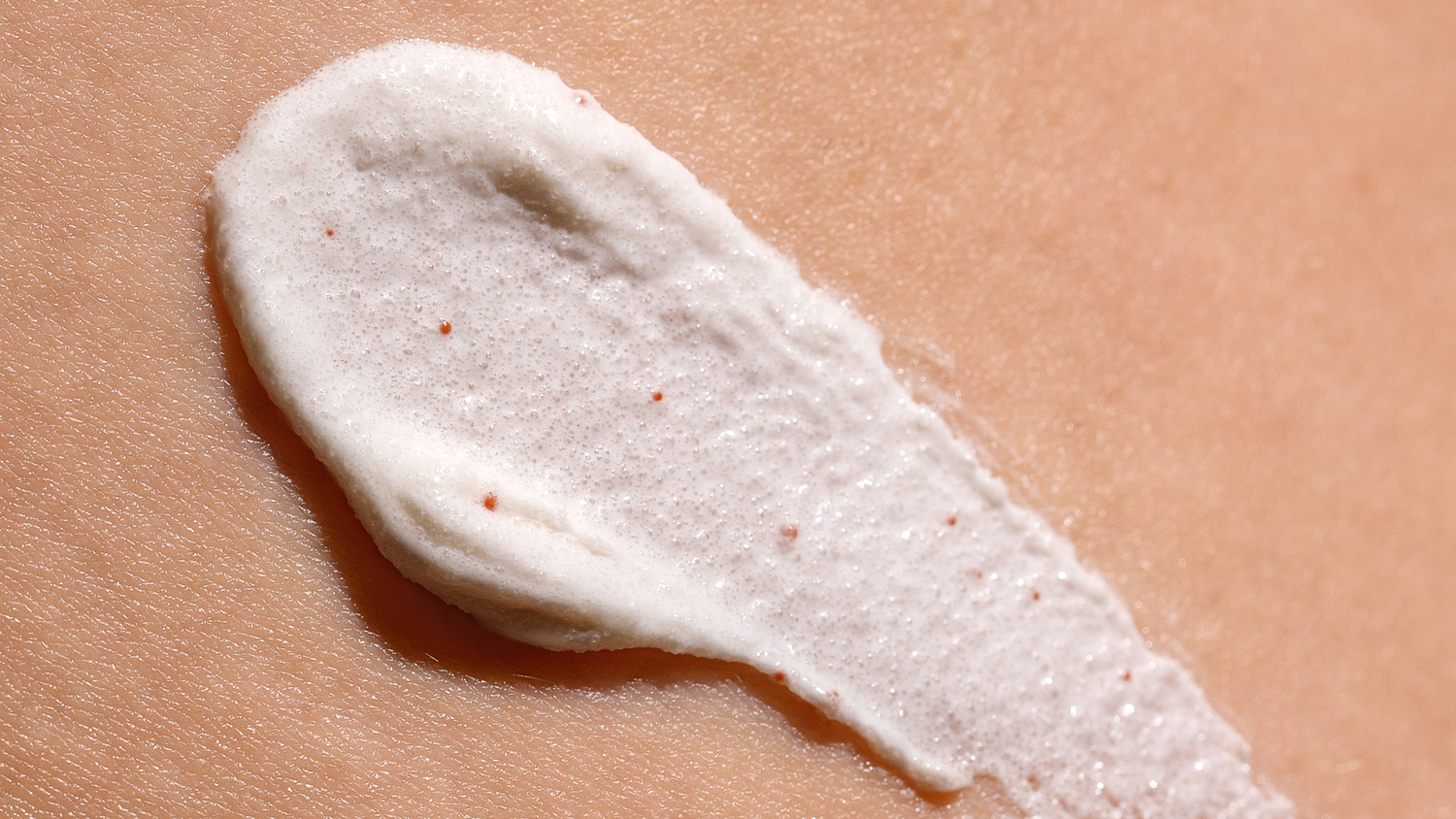
It usually happens one product at a time. An exfoliating cleanser, because a video promised brighter skin. An acid toner, recommended by someone else the following week. Then pore pads for the weekend, a retinol for the evenings, and a weekly peel to "reset." Every single one came with a glowing review. None of them delivered on the glow.
That is the trap. No single product here is the problem. Each one can be excellent on its own. But stack five exfoliating, resurfacing actives on top of each other, every day, and your skin stops keeping up. The glow you were chasing flips into tightness, redness and sensitivity and no amount of new product fixes it.
What is the skin barrier, and how do you damage it?
Your skin barrier is the outermost layer of your skin's surface. A protective shield that holds moisture in and keeps irritants out. When it is working, skin feels comfortable, calm and resilient. When it is compromised, everything you apply stings, hydration escapes, and the surface struggles to defend itself.
Exfoliating acids and retinoids work by accelerating how quickly the surface renews itself. Used sensibly, that supports a smoother, brighter-looking complexion. Used constantly, and all at once, it strips the barrier faster than skin can rebuild it. Over-exfoliation is not a sign you bought bad products. It is a sign you used too many good ones, too often.
Signs of a damaged skin barrier
Before you change anything, work out whether your barrier is actually compromised. The common signs of a damaged skin barrier include:
-
Tightness that does not ease, even straight after moisturising
-
Stinging or burning when you apply products that never used to sting
-
Redness that lingers, or skin that flushes more easily than before
-
Flaking, rough patches or a tight, papery feel
-
New sensitivity to products you have used for months
-
Congestion or breakouts appearing alongside dryness
-
A shiny, almost waxy look where over-exfoliated skin reflects light unevenly
If several of these sound familiar, your skin does not need another corrective step. It needs less of them.
Why "more products" makes it worse
Here is the part the algorithm leaves out. When skin looks irritated, the instinct is to treat it. A soothing serum here, a brightening active there. But every extra product is an extra thing for a stressed barrier to process. You end up troubleshooting damage with the same behaviour that caused it.
This is the case for a little de-influencing. The goal of a skincare reset is not to find the perfect new product. It is to take things away until your skin can cope again.
How to repair your skin barrier
Recovery is simple, but it asks for patience rather than purchases. Here is the order that works.
Step 1: Stop. Strip the routine back
Before anything else, pause every exfoliating and resurfacing active: acid toners, scrubs, pore pads, retinoids and at-home peels. All of them, at once. This is the single most important step, and it costs nothing. A barrier cannot rebuild while it is still being broken down. Do not replace these products with new ones, just remove them.
Step 2: Go gentle and go minimal
For the next few weeks, your irritated skin routine should be as short as possible: a gentle, non-stripping cleanse, lightweight hydration, and a daily SPF to protect the surface while it recovers. Nothing active. Nothing that tingles. If a product makes your skin feel anything other than comfortable, it does not belong in a recovery routine.
Step 3: Support recovery with barrier-friendly moisture
Once you have stripped things back, the aim is not to treat the skin, it is to support it. A simple, barrier-friendly moisturiser does more at this stage than any active.
This is where 5-a-Day fits, not as another treatment pushed onto stressed skin, but as part of a barrier-supportive strategy. Its squalane mirrors the skin's own lipids to lock moisture into the surface, while gentle peptides (Acetyl Hexapeptide-8 and Octapeptide-3) support the look of smoothness. A glutathione-led superfood antioxidant complex (carrot, wheat, plantain, ginkgo and calendula) helps defend the surface against free radicals while it rebuilds, with no acids or retinoids in sight. That is the whole point: nourishment, not correction.
Step 4: Reintroduce slowly, one active at a time
Once skin feels calm and comfortable again (usually a few weeks, sometimes longer) you can reintroduce actives. One at a time. A few times a week, not daily. Wait to see how skin responds before adding the next. The over-exfoliation you are recovering from happened because everything went in at once; rebuilding works in the opposite direction.
If you are working with a skin professional, this is also the moment to be honest about everything you were layering. They can rebuild a routine around your skin's tolerance and protect the results of any in-clinic work, rather than leaving you to guess.
Common Questions
How long does it take to repair a damaged skin barrier?
For mild over-exfoliation, skin often feels calmer within two to four weeks of stripping actives back. More significant damage can take longer. The timeline depends entirely on giving the barrier space, every active you reintroduce too early resets the clock.
Can you fix over-exfoliated skin, or is the damage permanent?
The skin barrier is designed to recover. In almost all cases, removing the actives and supporting the surface with gentle hydration is enough for it to rebuild over time.
What should I stop using first?
Everything that exfoliates or resurfaces (acid toners, scrubs, pore pads, retinoids and peels) all at once. Half-measures keep the barrier in a loop. A clean break gives it room to settle.
Do I still need SPF while my barrier recovers?
Yes. A compromised barrier is more vulnerable to UV, so daily protection matters more during recovery, not less.
The Takeaway
More products were never the same thing as more results. Over-exfoliation is what happens when good actives are stacked past the point your skin can handle, and the fix is not another bottle, it is the discipline to use less. Strip it back, support the surface, and reintroduce slowly.
Skincare is meant to work with your skin's barrier, not against it.
0 comments